Want to see more birds in your garden and help them find real, natural food? Plenty of wild birds love munching on insects, and you can boost their bug buffet by tweaking how you use bird feeders.
The right feeders and food can transform your yard into a haven for both beneficial insects and hungry birds.
Most folks think bird feeders are just for seeds and nuts, but with a few changes, you can use them to attract insects, too. It’s a fun way to support backyard birds and watch their natural bug-hunting up close.
Imagine bluebirds, wrens, and chickadees darting after bugs right in your own garden. That’s the good stuff.
Key Takeaways
- Use bird feeders and food that attract both birds and insects
- Pick feeder spots and plants that help insects and birds thrive
- Small changes can invite more wild birds to your garden
Choosing the Right Bird Feeders and Food to Attract Insects for Birds
If you want your backyard birds to find more insects, you’ve got to think about feeder types, the foods you use, and exactly where you put everything. The right mix can bring in both bugs and birds.
Types of Bird Feeders That Encourage Insects
Not every feeder helps bugs gather. If you’re looking to attract insects and their larvae for birds, some designs work better than others.
Suet feeders—especially the cage-style ones—are a top pick. Suet often drops to the ground, drawing in both insect-loving birds and actual bugs.
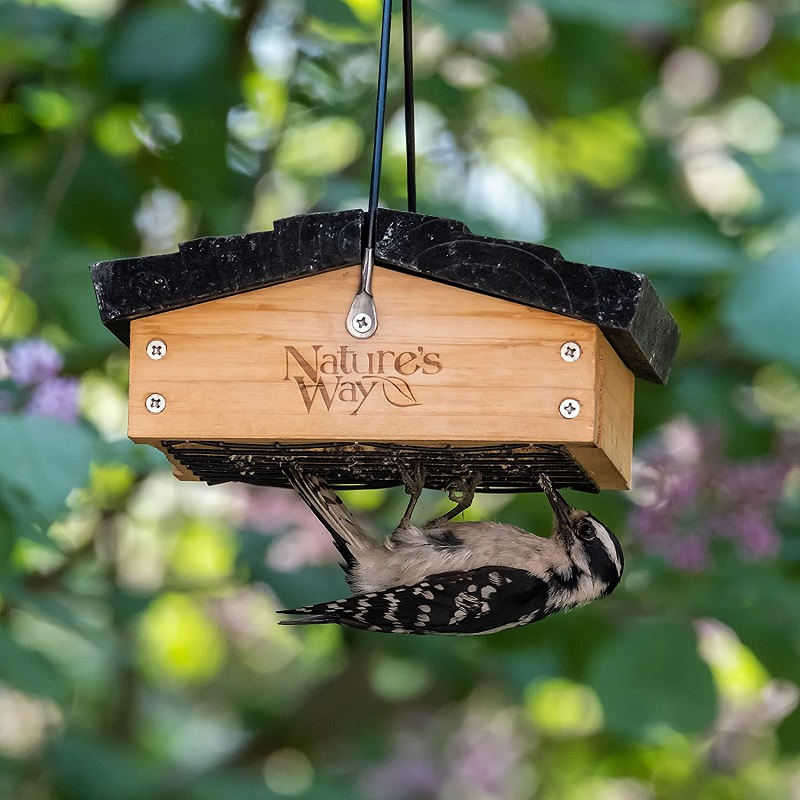
Platform feeders and trays also work well. Seeds and fruit crumbs fall below, where insects and worms grab a snack. You’ll see more action from ground-feeding birds at these spots.

Tube feeders and hopper feeders keep food off the ground. They’re great for birds but don’t do much for insects. Mixing up feeder types in your yard helps all kinds of birds and makes things more interesting.
Selecting Bird Foods That Attract Insects and Birds
Want more birds and bugs? Offer a variety of foods to keep everybody happy.
- Suet: Bugs and birds both go for it. Spoiled pieces on the ground attract even more insects.
- Fruit: Slices of apple, banana, or orange lure in fruit-loving birds and plenty of bugs.
- Mealworms: Live ones wriggle, which draws in more birds. Dried ones work, too.
- Sunflower seeds and mixed birdseed: Birds love them, and bits that fall feed insects and worms.
Refresh food often—moldy or spoiled stuff isn’t good for birds or insects. If you want more tips, check out 11 tips for feeding backyard birds.
Optimal Placement for Insect-Friendly Bird Feeders

Where you place your feeders really matters if you want to attract more insects for your birds. The right spot makes it easier for both bugs and birds to find the food.
- Place feeders near trees and shrubs. These plants provide shelter for insects and birds, encouraging them to stay.
- Set some feeders over or next to a garden bed. Falling seeds and fruit attract worms, larvae, and insects.
- Try a feeder by a pond or birdbath. Water brings in bugs, and birds love grabbing a drink and a snack together.
- Play with different heights. Ground-level trays are ideal for beetles and worms, while higher feeders attract a variety of other insects.
Keep feeders away from windows—birds don’t need extra hazards. For safe placement advice, see Audubon’s advice on bird feeding and care.
Ensuring Nutrition for Birds and Insects
It’s great to attract insects, but healthy birds need good nutrition, too.
- Use foods high in protein and fat—think suet, mealworms, and sunflower seeds. These are crucial for nesting birds and any that are just plain hungry.
- Keep a clean birdbath or water trays out. Birds and insects both need fresh water.
- Grow native plants like oak, cherry, or hickory trees. These attract caterpillars, aphids, and beetles—prime food for birds. Here’s more on how native plants help your backyard birds.
- Change up feeder types and foods through the year. It keeps things fresh and healthy for everyone.
Creating a Bird and Insect-Friendly Habitat
Turning your yard into a haven for birds and insects takes a mix of native landscaping, good food, shelter, and a bit of maintenance. Focus on these details and you’ll attract a wild variety of birds—and all the bugs and plants they love.
Landscaping With Native Plants and Features

Want your backyard to be irresistible to chickadees, bluebirds, cardinals, and the bugs they chase? Native plants are the answer.
Native flowers, trees, and shrubs, such as clematis, honeysuckle, holly, and evergreens, create the perfect habitat for moths, beetles, caterpillars, and a wide range of insects. Birds can’t resist.
Mix up your plants—layer tall trees, add medium shrubs, and tuck in flowering plants. This gives shelter and hunting grounds for everything from sparrows and titmice to woodpeckers.
Grapes and native fruiting plants offer extra food for warblers and orioles.
Table: Native Plants Attracting Insects and Birds
| Plant Type | Bird Species | Attracts (Insects) |
|---|---|---|
| Honeysuckle | Orioles, Finches | Moths, caterpillars |
| Holly | Thrushes, Robins | Beetles, spiders |
| Clematis | Hummingbirds | Caterpillars, moths |
| Grapes | Cardinals, Jays | Beetles, caterpillars |
Native plants are the best choice for hosting insect life—Exotic plants just can’t compete.
Providing Water and Shelter
Even the hungriest thrush or goldfinch needs more than food. Birds flock to places with clean, fresh water.
A birdbath, small pond, or even a shallow bowl can pull in a crowd. Change the water daily if possible—stagnant water is a breeding ground for mosquitoes.
Shelter matters, too. Add trees and thick shrubs for cover. Birdhouses help bluebirds, wrens, and nuthatches.
You can use natural materials for extra hiding spots—piles of brush or logs welcome both birds and bug life.
Quick List: Shelter Ideas
- Nesting boxes for cavity-nesters
- Thick bushes for sparrow families
- Log piles for beetles and foraging birds
Supporting Diverse Bird Species With Varied Food Sources
A good food mix attracts a variety of birds to your feeders. Sunflower seeds attract cardinals and titmice, nyjer seed is for goldfinches, and suet attracts woodpeckers and nuthatches.
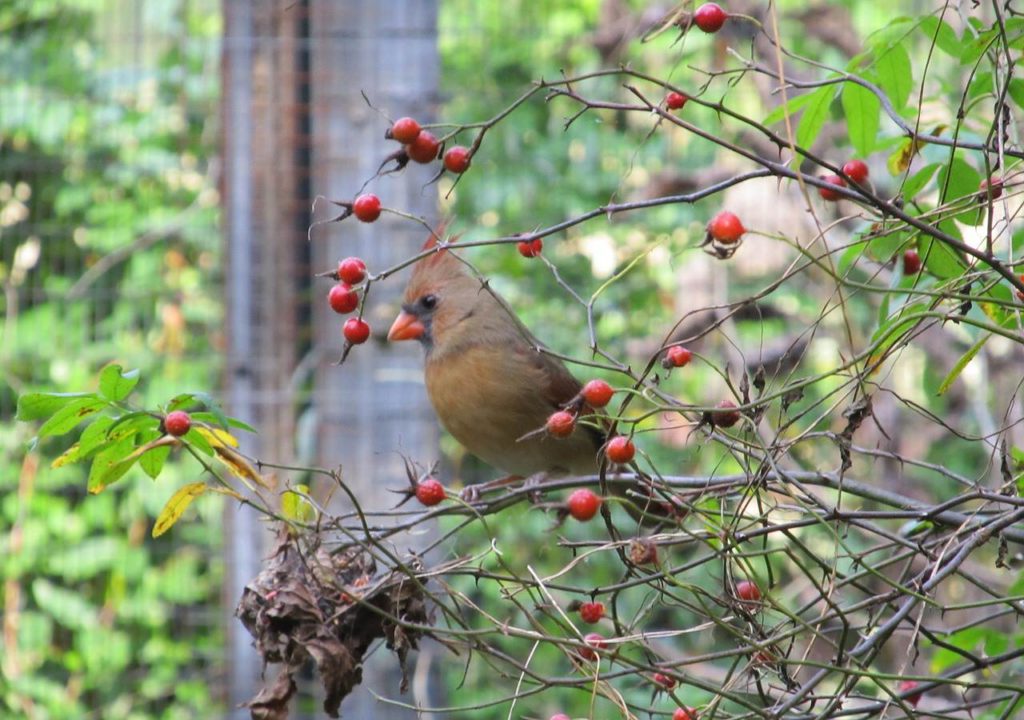
But don’t just stick with feeders. Fruiting plants and naturally seedy grasses help feed finches, warblers, and grosbeaks.
Live insects—like caterpillars and beetles—are essential, especially for nestlings. Native plants make sure those bugs are there.
Try a tray feeder with mealworms—robins, chickadees, and even orioles will swing by. Soft fruits, such as overripe grapes, attract bluebirds and mockingbirds that require more than just seeds.
Mix and Match: Food Sources Table
| Food Type | Birds Attracted |
|---|---|
| Sunflower | Cardinals, woodpeckers |
| Nyjer | Goldfinches, siskins |
| Suet | Nuthatches, chickadees |
| Mealworms | Robins, wrens, bluebirds |
Managing Environmental Concerns and Invasive Species
A great yard isn’t just about adding new things—it’s about mindful care. Make windows visible to birds by breaking up reflections.
Simple tape or mesh screens can significantly reduce deadly window collisions. You’d be surprised at the difference a few strips of tape make.
If you spot invasive species, pull them out right away. Plants like English ivy and Japanese honeysuckle can overrun native gems.
These aggressive plants push out the bugs and birds you’re hoping to attract. Honestly, it’s a constant battle, but it’s worth it.
Try to avoid pesticides and harsh chemicals whenever you can. They can harm beetles, caterpillars, and the birds that love to snack on them.
Keep feeders and birdbaths clean to prevent the spread of disease. It’s not glamorous, but it matters.
All these efforts help create a truly bird-friendly habitat. The bugs, the birds, and honestly, you’ll all benefit.