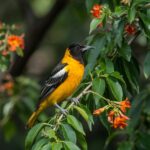
Ever noticed a bird with a pale belly and bold black-and-white stripes on its back? The red-bellied woodpecker is one of the most common and interesting woodpeckers you’ll find in the eastern United States.
Its bright red cap and quirky behaviors make it stand out from the crowd. If you listen closely, you might catch their rolling calls echoing through the trees, especially in swamps and riverside woods where they feel right at home.
What really sets these birds apart is how they find food and build their homes. Red-bellied woodpeckers love to hitch up and down tree trunks, searching for insects and spiders tucked away in bark or crevices.
They usually pick at the bark instead of drilling deep holes, which makes their foraging style unique among North American woodpeckers.
Key Takeaways
- Instantly recognize red-bellied woodpeckers by their striking markings and red caps
- Look for them in forests, swamps, and riverside areas across the eastern United States
- Watch them hunt insects and spiders on tree trunks, and listen for their rolling calls
Identifying the Red-bellied Woodpecker

Hoping to spot a Red-bellied Woodpecker? Knowing what to look for can save you a lot of guesswork.
This section will get you up to speed on their appearance, how to tell them apart from similar woodpeckers, and ways to notice differences between males, females, and young birds.
Distinctive Markings and Color Patterns
Red-bellied Woodpeckers (Melanerpes carolinus) really put on a show with their flashy colors. Despite the name, the red patch on their belly is actually faint.
Most of the time, what pops is the bold red on their head—stretching from the bill right to the nape. The back is decked out with black and white bars, almost like a zebra.
The underparts are mostly white or pale gray, sometimes with a hint of red blush on the lower belly. Males
Check out these features when you’re trying to spot one:
- Size: About 9-10.5 inches long
- Wingspan: 13-17 inches
- Tail: Short and stiff, perfect for climbing tree trunks
- Beak: Sturdy and straight, ideal for drumming on bark
They belong to the picidae family, so you’ll see similarities with other woodpeckers. But those black-and-white stripes on the back and the red cap really help them stand out.

Similar Species Comparison
It’s easy to mix up the Red-bellied Woodpecker with some of its cousins. For example, many people think they’ve seen a red-headed woodpecker (Melanerpes erythrocephalus), but that species has a completely red head and a sharp black-and-white body pattern.
Red-bellied Woodpeckers only have red on the crown and nape, not their whole head. Other lookalikes include Downy and Hairy Woodpeckers, which have more white on their backs and just a small red patch on the back of the male’s head.
Northern Flickers are larger and exhibit more pronounced brown and black spotting. Want a quick cheat sheet? Here’s a table:
| Species | Head Color | Back Pattern | Size |
|---|---|---|---|
| Red-bellied | Red nape/crown | Black/white bars | Med |
| Red-headed | Entire head red | Solid black/white | Med |
| Downy/Hairy | Spot of red | Mostly white | Small/Med |
| Flicker | Gray/Red Mark | Spotted | Large |
Sex and Age Differences
Male and female Red-bellied Woodpeckers look pretty similar, but there’s a twist. Males show red all the way from their bill to their nape.
Females have a gray forehead, with red only on the nape and crown. Juveniles are also a bit different.
Young birds don’t have red on their heads yet, and their markings are duller and more brownish. Watching for these subtle differences can help you figure out if you’re seeing a male, a female, or a youngster.
So next time you spot a woodpecker in your yard, use these clues to make a positive ID. And don’t worry if you squint a little—everyone does at first!
Habitat and Geographic Range

Red-bellied Woodpeckers are some of the most adaptable North American birds you’ll spot. They show up around homes, parks, and forests if you know what to look for.
Their wide range and love of certain environments make them a fun bird to observe, no matter where you live in the eastern U.S.
Typical Habitats and Preferred Environments
These woodpeckers love deciduous trees the most. If you have tall oaks, maples, or hickories nearby, you’re in luck.
Red-bellied Woodpeckers don’t mind mixing things up, either. They’ll show up in mixed woodlands with both hardwoods and pines.
You can often find them in forest edges, riverside woods, and even city parks. They’re adaptable and will use utility poles when trees are scarce.
Sometimes, you’ll catch one checking out a yard with a good suet feeder or even nesting in a suburban neighborhood. Here’s a quick look at their favorite spots:
| Environment | Common? |
|---|---|
| Deciduous forests | Very common |
| Swamps/riverside woods | Common |
| Urban parks | Fairly common |
| Suburbs/backyards | Common |
| Mixed woodlands | Common |
| Utility poles/snags | Sometimes |
Distribution Across North America
Red-bellied Woodpeckers mostly live in the eastern half of the U.S. Their range stretches from southern Canada down to the Gulf of Mexico.
Look for them from the Atlantic coast all the way to Texas and the Great Plains. You probably won’t see them in California or the Pacific Northwest.
They aren’t just a southeastern specialty anymore—they’ve been moving north and west over the years. According to the Audubon Field Guide, they’re especially common in the southeast, where you’ll often hear their calls in swamps and riverside woods. For more, check out the Red-bellied Woodpecker’s range and habits.
Seasonal Movements and Residency
Red-bellied Woodpeckers are permanent residents for the most part. You’ll see them in the same areas year-round.
They don’t migrate long distances like some other woodpeckers. When winter comes, they stick to their breeding range instead of heading somewhere else.
Sometimes, if food gets scarce, they’ll move locally. In very cold years, a few might drift south, but not in big groups.
So once you spot some in your area, you’ll likely see the same birds each season. That’s part of why backyard birdwatchers love them.
Diet and Foraging Behavior

Red-bellied Woodpeckers have some surprising choices when it comes to food. If you’ve ever wondered what these energetic birds snack on—or how they find their meals—you’re in the right place.
Natural Diet: Insects, Fruits, Nuts, and Seeds
Red-bellied Woodpeckers are omnivores, so their meals change with the seasons. In warm months, they eat a wide variety of insects, including beetles, ants, caterpillars, and spiders.
This helps keep bug numbers down in your garden. When winter arrives and insects become scarce, these woodpeckers switch to plant foods instead.
Acorns, nuts, wild fruit, and seeds become their main menu. Sometimes, more than 50% of their diet during certain seasons comes from plants.
They’ll pick berries right off vines or trees and stash extra food in tree crevices for later.
Here’s a quick list of what you might catch them eating:
- Beetles, ants, caterpillars
- Acorns, pecans, and other nuts
- Sunflower seeds
- Grapes, dogwood, and other wild fruits
Foraging Techniques and Feeding Habits
You’ll spot these birds clinging to tree trunks or big branches, using their strong beaks to tap and chip away at bark. They’re hunting for bugs hidden inside the wood.
Red-bellied Woodpeckers are clever—they might search the same spot for a while just to be sure they don’t miss anything. It’s not just about hammering at tree bark, either.
When fruit or nuts are ripe, they’re quick to notice and gather them. They use their long tongues to reach deep into crevices and grab juicy insects or seeds.
During fall, it’s common for them to stash away extra food, tucking nuts or seeds into little holes in the bark. Their ability to find food in different places makes them tough to surprise!
Feeder Visits: Foods They Love

Want to invite Red-bellied Woodpeckers to your backyard? Choose the right snacks!
These birds love visiting bird feeders—especially ones offering sunflower seeds, peanuts, and suet cakes. Platform feeders and suet cages are easy for them to perch on.
Here’s a quick table of their favorite feeder treats:
| Favorite Feeder Foods | Feeder Type |
|---|---|
| Sunflower seeds | Platform feeder |
| Peanuts (shelled/unshelled) | Platform feeder |
| Suet cakes | Suet cage |
| Corn | Platform feeder |
They’ll even eat fruit slices, like oranges or apples, if you put them out. A mix of these foods can bring regular visits and maybe a close-up look at their bold markings. Read more about the favorite foods of the woodpecker.
Watch out—they can be pretty messy eaters for woodpeckers!
Nesting, Breeding, and Vocalizations
Red-bellied Woodpeckers are fascinating birds. Their adaptable nesting habits, unique breeding routines, and loud vocalizations make them hard to ignore.
If you love watching bird drama in your yard, you’ve probably noticed how lively these woodpeckers are. They interact with both birds and mammals in clever ways.
Nesting Behavior and Cavity Sites
Red-bellied Woodpeckers are classic cavity nesters. They dig their nest holes in dead trees or snags, especially where the wood is soft enough to excavate but sturdy enough to support a home.
If you spot a neat, round hole about 8–16 feet up in a tree, that could be one of their nests. They’ll use both live and dead trees, and sometimes even utility poles in urban spaces.
Inside their tree cavities, they don’t fuss much—just toss in some wood chips for cushioning. They defend their nesting sites against rivals, sometimes even against determined European Starlings or squirrels.
Picking unique spots helps their young get a safe start. It’s a smart move, honestly.
Breeding Season and Clutch Size
These woodpeckers start looking for mates and building nests as early as late April to early May. Spring gets noisy and busy!
Both parents help with the family chores—excavating the nest, incubating eggs, and feeding the chicks. A typical clutch has about 3 to 8 white eggs, and both parents take turns keeping them warm.
The eggs hatch after about 12 days. You might spot the young poking their heads out of the hole after about 3 to 4 weeks, nearly ready to fledge.
Once the young leave the nest, they don’t wander far. Mom and dad keep feeding and watching over them for a while, giving them a good lesson in woodpecker survival.
Vocalizations: Calls, Drumming, and Songs
Red-bellied Woodpeckers aren’t shy about making noise. Their most common call is a rolling “kwirr, kwirr, kwirr,” which can carry far through the woods.
They use this to declare territory or keep in touch with their mate. Drumming is a favorite activity, especially during spring when competition heats up.
They’ll pound away on tree trunks, dead limbs, or even metal gutters, making a loud, steady beat. Drumming’s all about showing off and scaring off rivals—not exactly a love song.
They’ve got a wide range of sounds, from soft chatters to loud shrieks. These noises can turn your backyard into a buzzing hub, especially if you listen for their calls on a quiet morning.
For more about red-bellied woodpecker sounds, check out the Audubon Field Guide.
Unique Relationships with Backyard Wildlife

Red-bellied Woodpeckers share their neighborhoods with Blue Jays, Northern Cardinals, Chickadees, and sometimes even hummingbirds. Sometimes, these neighbors get along.
Other times, competition for food and nesting spots leads to noisy squabbles. These woodpeckers will visit birdbaths for a quick drink or splash.
Bird feeders can turn into lively territories. It’s honestly fun to watch how they outsmart squirrels when everyone’s after the same snack.
They also help control beetle and ant populations by foraging in dead wood. If you’re hoping to see more of them, try offering suet and peanuts.
That might just attract these curious birds—and maybe spark a few unpredictable encounters with your other backyard wildlife.